

Product
Technical Parameters
During normal operation, the belt speed should not be less than 95% of the roller speed. If the friction between the roller and the conveyor belt is insufficient, the belt is prone to slipping. There are many reasons for insufficient friction between the roller and the conveyor belt, such as insufficient tension, load startup, or an insufficient coefficient of friction on the roller surface. Insufficient tension may result from factors such as an inadequate tensioning stroke, insufficient counterweight, or a conveyor belt that is too long; an insufficient coefficient of friction on the roller surface may be caused by excessive wear on the roller’s rubber lining, a belt that is too wet or coated with lubricating oil, or material adhering to the belt’s surface. In operation, various environmental conditions can lead to belt slippage, and each situation requires a case-by-case analysis.
The principle of a scraper is to remove material adhering to both the working and non-working surfaces of a solid-core conveyor belt, thereby reducing wear on the contact surfaces between the belt and the conveyor. Improvements to the conveyor must be based on the actual material handling environment, as different operating conditions and physical properties require different types of conveyors; for example, conveyors with superior performance are selected for areas where high single-system operational rates are required. During actual conveyor operation, the conveyor belt carries the material as it runs over the idlers; therefore, conveyor modifications can focus on the idlers.
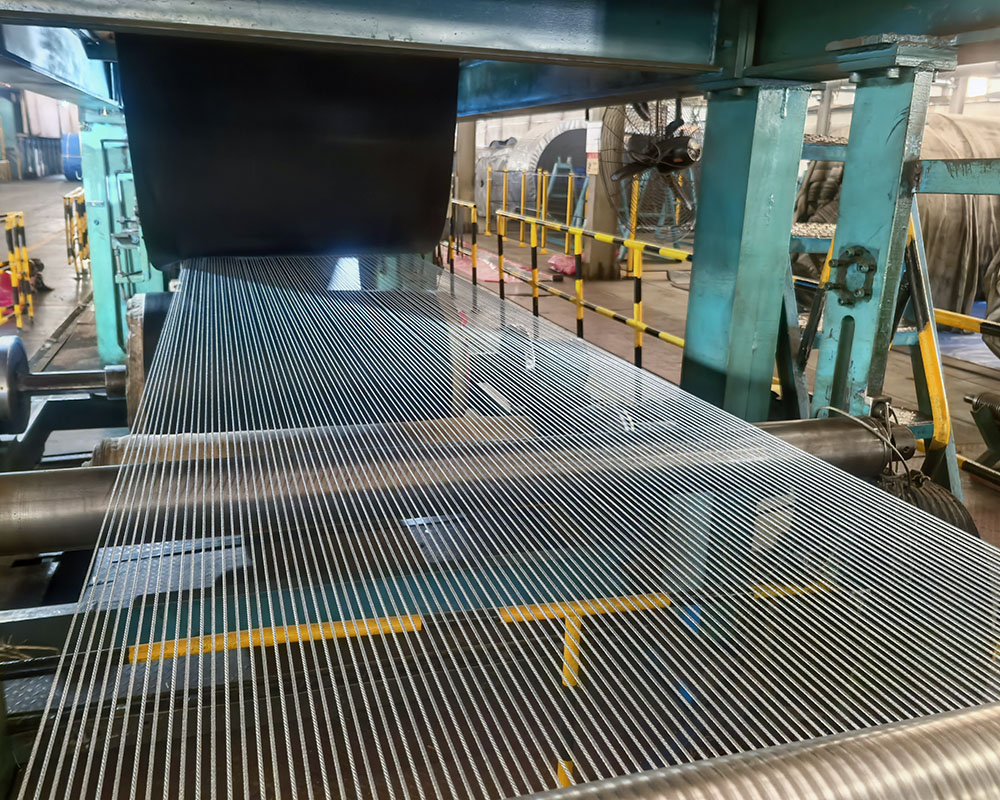
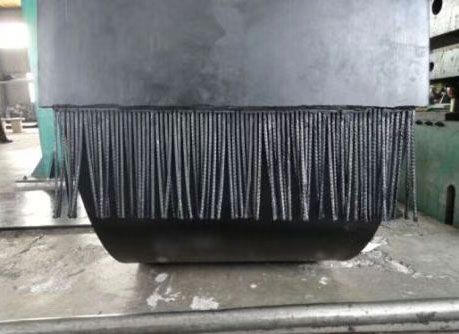
The operation and maintenance of steel-cord conveyor belt systems primarily involve several aspects. First is the operational condition of the idlers. Regarding idlers, we discussed their importance and installation requirements in the article “Adhering to Conveyor Installation Standards Ensures Proper Use of Steel-Cord Conveyor Belts.” If idlers malfunction during operation, it can cause the belt to drift or spill material; in severe cases, it can lead to belt wear. Second, it is important to inspect the integrity of the steel-cord conveyor belt. If wear during material transport causes localized damage, it can easily lead to belt breakage. When damage is detected during inspection, the damaged section of the belt must be cut out and the belt reconnected.
Advantage and Main Feature
FAQ
Leave a Message
leave your message
